
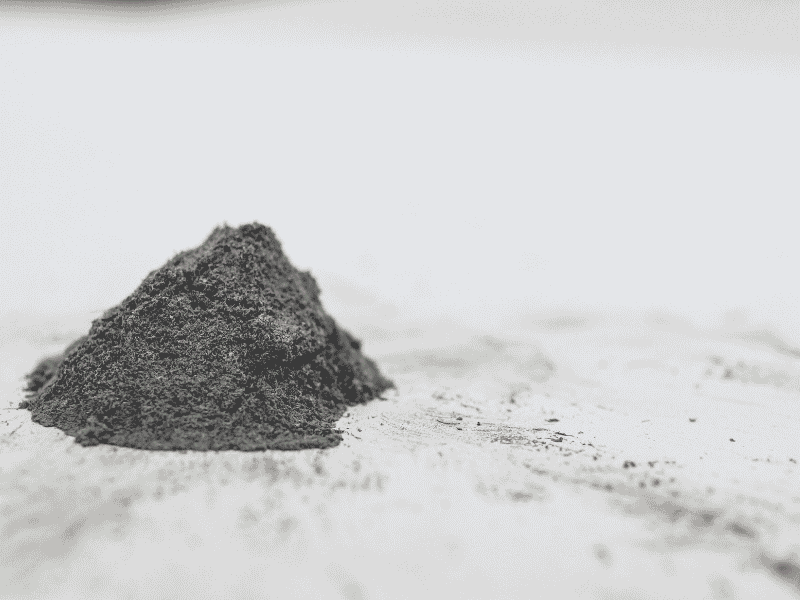
Zinc dust powder is a powdered zinc metal material that has numerous uses in various modern industrial sectors. This material has a bluish-gray color with a density of approximately 7.14 g/cm³. Its physical properties support metal protection from damage caused by oxidation and aggressive chemical reactions.
Zinc powder typically contains 90–99% pure zinc with small amounts of other elements added. Its particle size also varies from sub-micron to hundreds of micrometers. The large surface area makes this material highly reactive and efficient for industrial needs.
The Important Role of Zinc Dust Powder in the Paint and Coating Industry
This material is the primary ingredient in the manufacture of zinc-rich primers, which function to protect steel. This coating works through cathodic protection, preventing corrosion even if the painted surface is scratched. Coated steel structures can have a service life of up to 50% longer than unprotected ones.
Furthermore, this material is often used on bridges, ships, and offshore installations. Marine environments and the oil industry have high humidity levels and exposure to chemicals. Additional protection helps reduce long-term maintenance costs.
Furthermore, zinc-based protective coatings can withstand extreme temperatures. Zinc’s melting point is 419.5°C, while its boiling point reaches 907°C. This durability makes it suitable for heavy-duty infrastructure that requires material stability.
Applications in Metallurgy and Mining
Zinc dust powder plays a crucial role in the refining process of precious metals. In the Merrill-Crowe method, zinc powder helps separate gold and silver from chemical solutions through a cementation process. This technique has been used for decades due to its high efficiency.
This material also functions to remove cations from other metals, such as copper and mercury. This process improves the quality of the metal refining results while accelerating chemical reactions. The particle size and purity of the material influence its effectiveness.
Furthermore, powder metallurgy technology utilizes zinc to produce precision metal components. This method enables the manufacture of high-strength automotive and aerospace parts. The relatively low melting point contributes to a more energy-efficient production process.
Contribution to the Chemical and Energy Industries
Zinc dust powder often functions as a strong reducing agent in various organic chemical reactions. This reductive property helps accelerate the formation of important compounds in the pharmaceutical and dye industries. Precipitation reactions using zinc are also capable of removing heavy metals from industrial wastewater.
In the energy sector, zinc powder is a key component of alkaline and zinc-carbon batteries. This battery technology is popular for its stable energy discharge efficiency. Therefore, the use of this material helps increase energy density and extend battery life.
Zinc derivatives such as zinc oxide are widely used in health products and cosmetics. This compound can absorb ultraviolet light and reduce skin irritation. Furthermore, zinc’s antimicrobial properties have been shown to suppress bacterial growth by over 90% in laboratory tests.
Factors Determining Material Quality and Effectiveness
Zinc dust powder’s quality is influenced by its purity level, particle size distribution, and impurity content. Products with a purity of 95% to 99.9% typically provide optimal performance in corrosion protection. Finer particle sizes increase surface area, allowing chemical reactions to proceed more quickly.
International standards such as ASTM B817 and ISO 3549 are often useful as benchmarks for material quality. Testing is essential to ensure composition, moisture content, and particle uniformity. Furthermore, these standards also help maintain product safety and consistent performance.
Selecting the right material also impacts production cost efficiency. The use of zinc-based coatings can reduce production costs by up to 30% compared to expensive alloy materials. Lifecycle infrastructure cost savings can even reach 60% due to lower maintenance requirements.
After reading the description above, we know that zinc dust powder is a material solution that supports the sustainability of modern industry. Its physical and chemical characteristics provide optimal metal protection. Its versatility makes it relevant in various technological innovations to this day.


